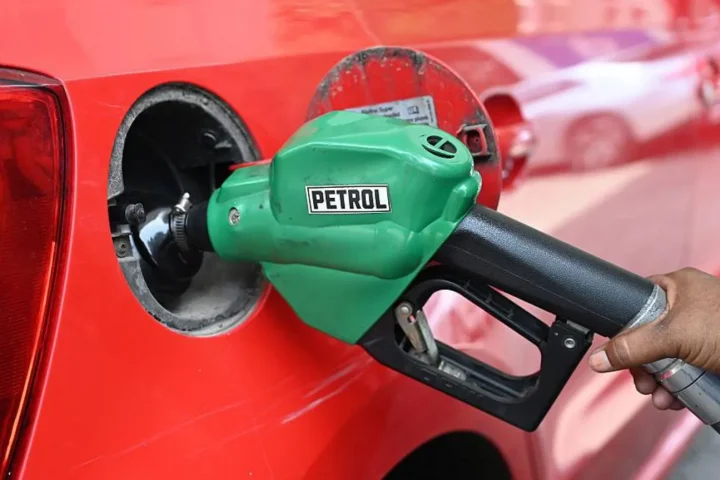
Diesel Prices Surge across the United States as the conflict involving Iran sends shockwaves through global energy markets. While gasoline prices have risen sharply, diesel has climbed much faster, raising concerns about transport costs and the broader economy.
According to the American Automobile Association’s latest data, gasoline prices increased by 47 cents over the past week. That pushed the national average for regular gasoline to $3.45 per gallon. However, diesel experienced an even sharper increase.
Diesel prices jumped by 84 cents, a 22 percent rise, bringing the national average to about $4.60 per gallon. Analysts say the rapid increase reflects tight supply conditions before the latest geopolitical tensions disrupted the market.
Consumers may not buy diesel directly, but they still feel the impact through higher prices for goods and services.
Why diesel prices surge faster than gasoline
Energy analysts say diesel was already facing supply constraints before the latest global tensions emerged.
Tom Kloza, an independent oil analyst and adviser to Gulf Oil, explained that diesel inventories were relatively low heading into the current energy shock. Because of that shortage, prices reacted quickly once the conflict disrupted markets.
He warned that diesel prices could reach $5 per gallon within weeks if current trends continue.
Another factor involves winter demand in the northeastern United States. A harsh winter led to heavy consumption of heating oil. Since heating oil and diesel share nearly identical chemical properties, strong demand for one affects the supply of the other.
Consequently, heating oil demand tightened diesel supplies even before global tensions pushed prices higher.
Diesel prices surge and hit trucking industry
When diesel prices surge, the trucking industry often feels the pressure first.
Most long-haul trucks rely on diesel engines. As a result, fuel represents one of the largest operating costs for trucking companies.
Smaller operators face the greatest challenges. Kareem Miller, who owns Strong Pact Trucking in Chicago, said the price jump has been unusually sudden.
He began operating his trucking business three years ago. The company currently runs three trucks, all powered by diesel.
Miller said he had seen fuel prices fluctuate in the past. However, he noted that the recent spike occurred far more rapidly than previous increases.
Because of that surge, he is considering raising freight rates to offset the growing costs.
Large trucking companies, however, have already begun adjusting prices.
Read Also
US economy shows weak signs as retail sales stall
US economy adds 130000 jobs in January
Ford faces $900M higher tariff costs
Transport companies react as diesel prices surge
Major logistics companies quickly pass rising fuel costs to customers through fuel surcharges.
UPS, one of the largest trucking operators in the United States, already raised its weekly fuel surcharge. Analysts expect another increase soon if diesel continues rising.
Shipping companies are taking similar action. Container carriers rely on heavy fuels closely related to diesel. Therefore, rising energy costs are pushing freight rates higher.
These surcharges often move through the supply chain. As transportation becomes more expensive, businesses adjust prices for products they ship.
That process eventually affects consumers purchasing everyday goods.
Nearly every item sold in stores travels by truck at some point. Because trucks depend heavily on diesel fuel, price spikes ripple through the entire economy.
Diesel prices surge during critical farming season
Agriculture also depends heavily on diesel fuel. Consequently, the timing of the surge raises concerns among farmers.
Spring planting season is approaching across much of the United States. Farmers rely on diesel to power tractors, combines, and irrigation equipment.
Diesel also fuels trucks that deliver fertilizer and transport crops to markets.
Curt Hoobler, a Kansas farmer, said the rising costs are arriving at the worst possible time.
Farmers already face high fertilizer costs. Some fertilizer supplies originate from the Middle East, where geopolitical tensions can disrupt markets.
Because of that, Hoobler worries that fuel costs will increase overall farming expenses significantly.
Meanwhile, commodity prices for crops such as corn, wheat, and soybeans have begun rising. However, those increases remain smaller than the surge in diesel prices.
If energy prices continue climbing, farmers may face difficult decisions about planting costs and production levels.
Ultimately, the rise in diesel prices affects far more than transportation. From grocery stores to retail goods, diesel remains one of the most important fuels powering the modern economy.
Ford faces $900M higher tariff costs amid policy shift
Wall Street volatility rattles gold, bitcoin, tech stocks