UK and China move to reset economic ties as Starmer plans landmark Beijing trip
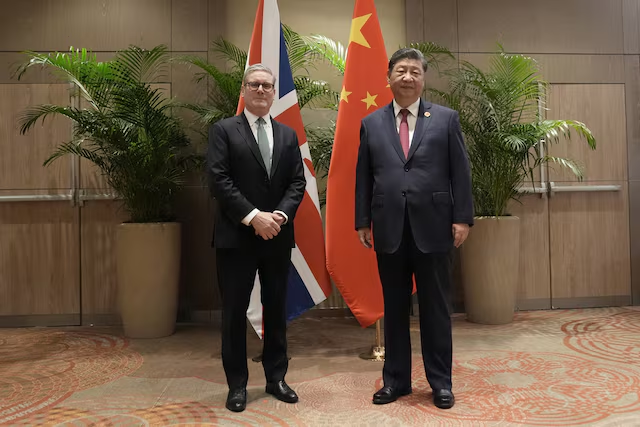
The Britain China business dialogue is set for a major revival. UK Prime Minister Keir Starmer is currently preparing for a high-profile visit to Beijing. This trip signals a strategic effort to reset economic relations after years of diplomatic strain. Both nations want to reopen channels for trade and investment once known as the UK-China “Golden Era.”
According to sources, the dialogue will reunite senior government officials and top executives. This framework first launched in 2018 but had stalled recently. Major British companies from finance, pharmaceuticals, and energy plan to participate. They expect to engage with leading Chinese firms to explore fresh commercial opportunities.
Starmer’s visit marks the first trip to China by a British prime minister in nearly a decade. This move underscores a significant diplomatic shift for the new UK government. London is adopting a more pragmatic approach toward Beijing. The goal is to balance economic engagement with national security and strategic concerns.
The revival also reflects changing economic priorities on both sides. Britain needs to boost exports and attract foreign investment to stimulate domestic growth. Meanwhile, China wants to strengthen ties with major Western economies. This helps Beijing navigate slower global growth and ongoing geopolitical tensions.
Progress on China’s new embassy in London helped unlock momentum for this visit. The UK government recently approved the site despite some security concerns. Both governments now seem eager to separate economic cooperation from broader strategic disagreements. They hope this separation will finally stabilize bilateral relations.
Business leaders view these renewed talks as a chance to restore lost confidence. Years of trade disputes and political rhetoric have caused deep uncertainty. Supporters argue that a structured dialogue will reduce friction. It also helps clarify policy expectations and encourages long-term investment between the two powers.
The success of the Britain China business dialogue depends on tangible outcomes. Analysts are watching to see if diplomatic goodwill can turn into actual trade deals. If sustained, this initiative could mark a turning point for 2026. It remains one of Europe’s most important economic relationships with Asia.