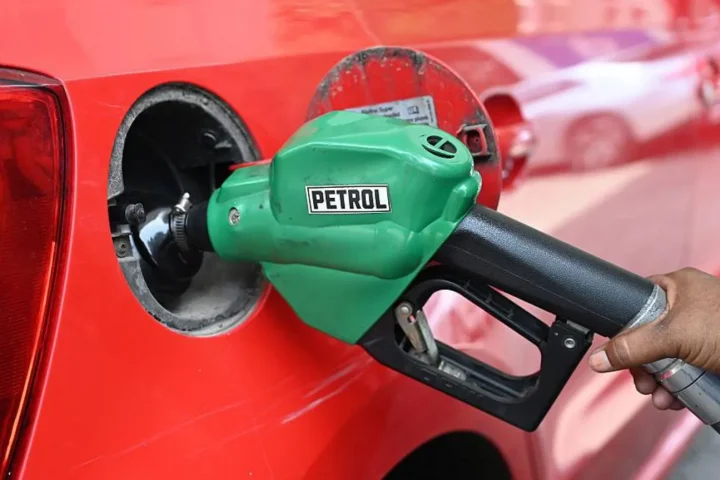
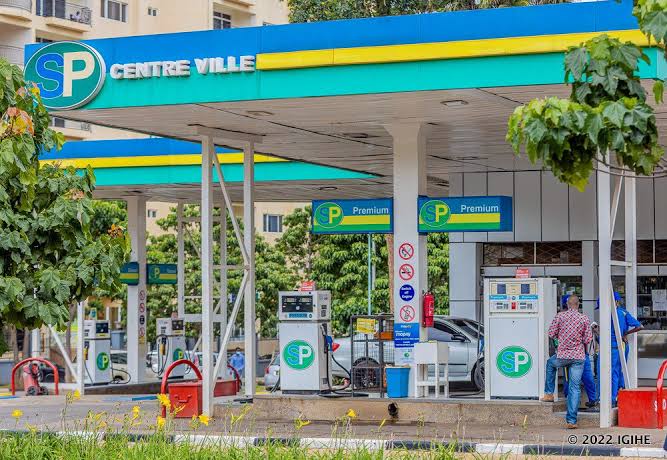
Australia fuel crisis concerns are intensifying as rising prices and supply disruptions trigger panic buying across the country. Since the Iran war began, motorists and businesses have faced growing uncertainty, forcing the government to step in with reassurances.
Prime Minister Anthony Albanese has emphasized that national fuel supply remains stable despite visible shortages. However, changing consumer behavior and distribution challenges continue to strain the system.
Australia Fuel Crisis Sparks Panic Buying and Shortages
Reports from across Australia reveal a surge in panic buying. Many motorists are filling extra containers, while transport companies instruct drivers to refuel whenever possible. Consequently, demand has spiked beyond normal levels.
This sudden shift has disrupted distribution networks. Although supply levels remain consistent, fuel is not reaching all stations evenly. Therefore, some areas are experiencing temporary shortages.
In regions like Cairns, independent stations have already run out of unleaded petrol. Meanwhile, diesel prices have surged dramatically, placing additional pressure on businesses and logistics operations.
Government Moves to Contain Australia Fuel Crisis
The government insists the issue lies in distribution rather than supply. Officials say fuel reserves remain sufficient for the coming weeks. In response, authorities have released oil from national stockpiles to stabilize the market.
Energy Minister Chris Bowen confirmed that supply levels are stable. He noted that Australia continues to receive normal or higher volumes of fuel imports despite global disruptions.
Additionally, the government has adjusted fuel standards to ease pressure on refineries and distributors. An emergency national cabinet meeting is also planned to coordinate further action.
Iran War Drives Global Price Surge
The Australia fuel crisis is closely tied to global events. The closure of the Strait of Hormuz has disrupted oil flows, pushing prices higher worldwide.
As a result, fuel costs in Australia have risen sharply. Petrol prices have climbed from 171 cents to 238 cents per litre within weeks. Diesel prices in Sydney have reached record highs, reflecting global supply constraints.
These increases are affecting households and businesses alike. Higher transport costs are already impacting supply chains and retail prices, adding to broader economic pressure.
Read Also
UAE Oil Hub Fujairah Hit in New Iran Drone Attacks
Jaishankar Hormuz Talks Aim to Ease Shipping Crisis
FCC Licence Threat After Trump Media Criticism
Oil Prices Fall After Trump Iran War Remarks
Retailers Struggle as Australia Fuel Crisis Worsens
Fuel retailers are facing mounting challenges. Independent stations, in particular, struggle to secure supply because they lack long-term contracts with oil companies. Consequently, they are often last in line for deliveries.
Data shows that one in seven fuel retailers in New South Wales has run out of at least one type of fuel. This highlights the uneven distribution affecting the market.
Moreover, transport companies are adapting their strategies. Drivers are instructed to refuel more frequently, which further increases demand and accelerates shortages in some areas.
Energy Infrastructure Disruptions Add Pressure
Beyond the Iran conflict, additional disruptions are compounding the crisis. A cyclone in Western Australia recently affected major LNG facilities, including Gorgon LNG Plant and Wheatstone LNG Plant.
These facilities account for a significant share of global LNG supply. Their temporary outages have tightened energy markets further, contributing to rising prices.
Consequently, Australia faces both domestic and international pressures. While supply remains technically stable, external shocks continue to influence pricing and availability.
Australia Fuel Crisis Tests Economic Stability
The broader economic impact is becoming increasingly visible. Businesses report rising operational costs, particularly in transport and logistics. Some warn that sustained price increases could threaten their viability.
At the same time, stranded drivers and empty pumps highlight the immediate challenges facing consumers. These disruptions, although temporary, reflect deeper vulnerabilities in the fuel distribution system.
As the situation evolves, the government’s ability to manage demand and maintain confidence will be critical. With global tensions ongoing, the Australia fuel crisis may remain a key issue in the weeks ahead.