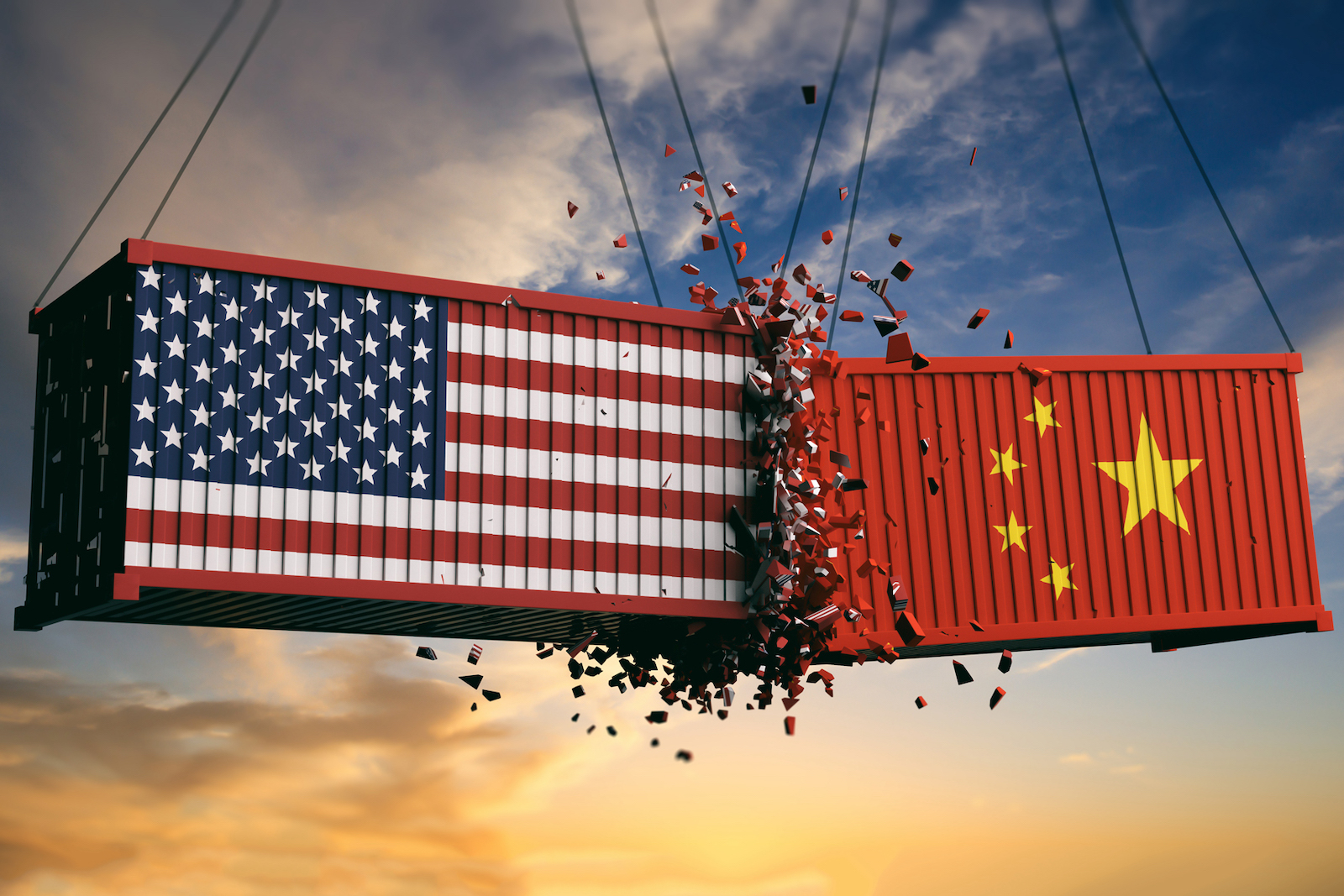
BEIJING — In a pointed response to President Donald Trump’s renewed trade measures, China has asserted that the United States, not Beijing, is responsible for reigniting trade tensions. The Chinese Ministry of Commerce emphasized that Washington’s recent actions, including the imposition of additional tariffs and export controls, have significantly harmed China’s interests. Moreover, these measures have undermined the atmosphere of ongoing bilateral economic and trade talks.
This statement comes as the U.S. prepares to implement a 100% tariff on Chinese imports by November 1, 2025, following China’s expansion of rare earth export controls. The U.S. accuses China of leveraging these controls strategically to pressure Washington amid ongoing tensions. In response, China has imposed sanctions on five U.S.-linked subsidiaries of South Korea’s Hanwha Ocean, a company involved in U.S. shipbuilding projects.
Rare Earth Export Controls as a Strategic Tool
China’s rare earth export controls now require licenses for products containing even minimal Chinese content. These measures are seen as a significant negotiating tool. They aim to pressure the U.S. into easing restrictions on advanced semiconductors and other high-tech materials.
China dominates approximately 70% of global rare-earth mining and 90% of processing, giving it considerable leverage in international markets. According to Chinese authorities, the controls are essential to protect domestic industries. They also prevent sensitive technologies, particularly military-related, from reaching potential adversaries.
The U.S. has voiced strong concerns. Treasury Secretary Scott Bessent accused China of attempting to “pull everybody else down” while facing its own economic challenges. In addition, President Trump has threatened to impose further tariffs if China does not withdraw its retaliatory measures, escalating the risk of conflict.
Escalation of Trade Measures
In retaliation to China’s export controls, President Trump announced plans for a 100% tariff on Chinese imports, set to take effect on November 1, 2025. This represents a major escalation in an already tense trade relationship. In response, China has warned of further retaliation, including additional sanctions and trade restrictions targeting American businesses.
Furthermore, both nations have implemented reciprocal port fees targeting ocean shipping firms. These fees impact goods ranging from crude oil to consumer products. Analysts warn that such measures could disrupt global shipping, increase operational costs, and create uncertainty in global logistics. The tit-for-tat nature of these actions signals the deepening economic rift between the two largest economies in the world.
Diplomatic Efforts and Dialogue
Despite the escalation, both the U.S. and China have expressed a willingness to engage in dialogue. The Chinese Commerce Ministry reiterated that it remains open to discussions but emphasized that the U.S. cannot simultaneously threaten new measures while seeking talks.
President Trump has indicated a potential meeting with Chinese President Xi Jinping. However, specific details about the timing, location, and agenda of such a meeting have not been confirmed. Experts suggest that while diplomatic channels remain open, trust between the two sides has eroded, making negotiations more challenging.
Global Implications of Trade Tensions
The renewed trade conflict carries significant global economic risks. Analysts warn that escalating tariffs and export restrictions could disrupt supply chains, increase costs for consumers, and slow economic growth worldwide.
Rare earth elements, essential for electronics, renewable energy technologies, and automotive manufacturing, are particularly sensitive. Any disruption in supply could affect industries ranging from electric vehicle production to solar panel manufacturing. Moreover, uncertainty over future trade policies could dampen investment and innovation in high-tech sectors globally.
Additionally, investors may react to heightened risk. Stock markets could see volatility, especially for multinational corporations heavily reliant on China. Currency fluctuations and commodity price spikes are also possible as market participants factor in supply chain disruptions.
Economic and Strategic Dimensions
Beyond trade, these tensions highlight the strategic dimension of economic competition. Rare earths are critical to defense and high-tech industries. Control over their production and export gives China leverage not only economically but also geopolitically.
The U.S., in turn, seeks to secure access to critical materials and prevent potential vulnerabilities in national security. This intersection of trade and security has made the issue far more complex than traditional economic disputes, intertwining technology, defense, and diplomacy.
Potential Pathways Forward
Experts suggest several possible scenarios:
- Negotiated Compromise: Both countries could reach an agreement on rare earth exports and tariff levels, reducing immediate economic disruption.
- Continued Escalation: Tariffs and sanctions may intensify, creating broader economic instability and affecting global markets.
- Selective Cooperation: Both sides might compartmentalize issues, cooperating in areas like climate and technology while competing fiercely in others.
The international community, including trade organizations like the WTO, is closely watching developments. Their involvement could help mediate tensions and prevent unilateral measures from escalating into a full-blown trade war.
Conclusion
As the U.S. and China continue to exchange trade measures, the path forward remains uncertain. While both nations express a willingness to negotiate, escalating actions suggest that finding a resolution may prove difficult.
The renewed tensions over rare earth export controls and tariffs underscore the complexity of modern trade relations. They demonstrate how economic policies now carry strategic, security, and geopolitical weight, affecting not only bilateral relations but also global markets.
For businesses, policymakers, and investors worldwide, the stakes could not be higher. A resolution that ensures stability, transparency, and fair access to critical materials will be crucial for sustaining global economic growth and preventing further escalation.