Record Export Values
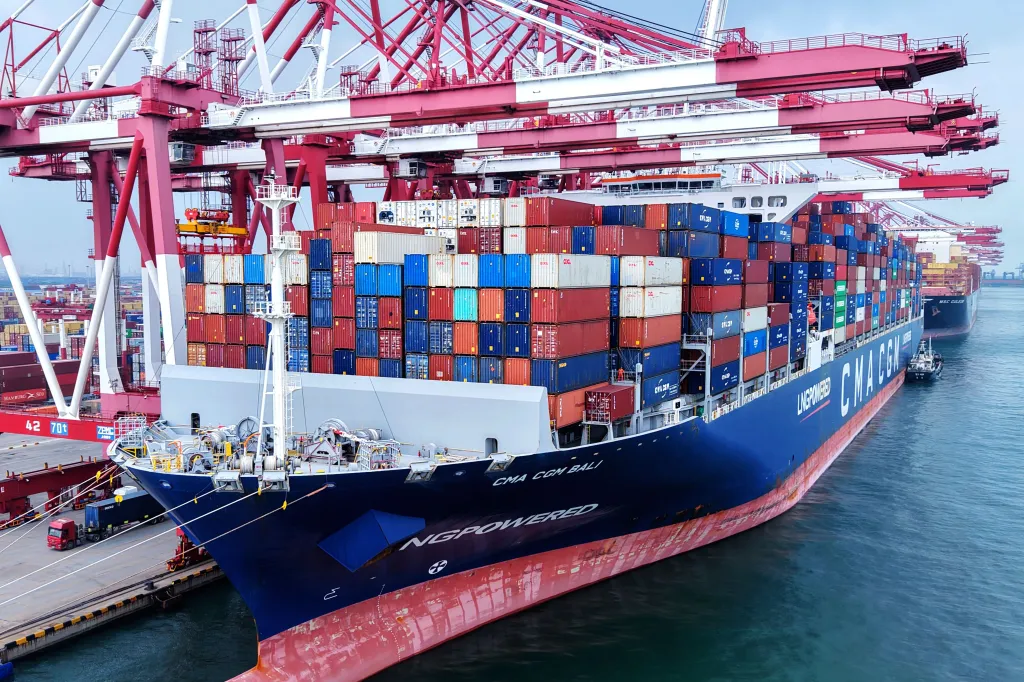
China’s exports of clean-energy technologies surged in August 2025. Electric vehicles (EVs) and batteries led the growth. Total exports reached approximately $20 billion, highlighting China’s increasing role in the global low-emission transition.
This growth reflects strong international demand for Chinese clean tech, competitive pricing, and rising production capacities. China has managed to scale manufacturing efficiently, which allows it to maintain market leadership even as global competition intensifies.
Emerging Markets Lead Demand
A significant portion of China’s clean-tech exports now targets non-OECD countries. Emerging markets are absorbing a large share of Chinese innovations, including solar panels, battery systems, and EVs.
Despite declining unit prices, particularly in solar and battery technologies, export volumes continue to rise. Lower costs increase affordability for importing countries, while economies of scale enable China to retain profitability.
The “Electro-State” Concept
Experts increasingly use the term “electro-states” to describe nations dominating in clean technology exports. These countries contrast with “petro-states,” which rely on fossil fuel production and trade.
China is positioning itself as a central player in the next global energy system, shifting influence from traditional fossil fuel suppliers toward renewable energy exporters. This status may allow Beijing to shape technology standards, global supply chains, and trade policies in the coming decade.
Coexistence with Fossil Fuels
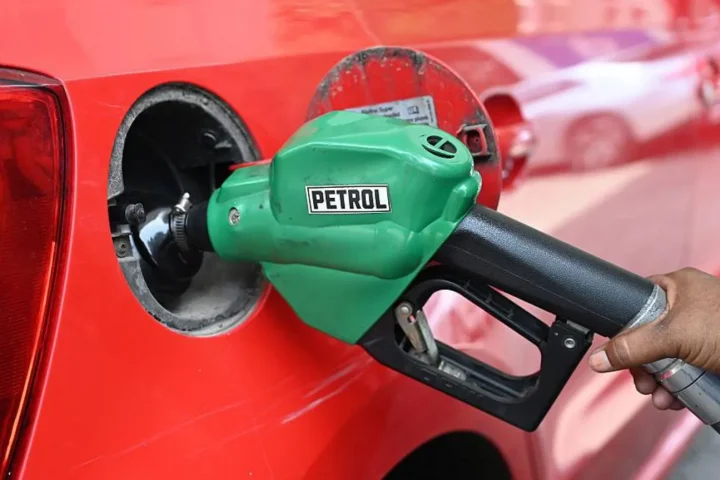
Even as clean-tech exports grow, global demand for oil and gas continues to rise. This creates a market paradox where fossil fuels and renewable energy coexist. Many countries still rely on petroleum for transportation and industrial processes while gradually adopting clean alternatives.
The dual-market dynamic underscores the complexity of the global energy transition. For China, it presents an opportunity to maintain influence across both clean and traditional energy sectors.
Emerging Markets as Key Battlegrounds
More than 50% of China’s clean-tech exports target countries outside the OECD. This trend positions emerging markets as critical battlegrounds for renewable energy adoption.
As infrastructure expands in Asia, Africa, and Latin America, Chinese companies are establishing manufacturing partnerships, providing financing, and localizing supply chains. This strategy reinforces China’s technological and geopolitical leverage in these regions.
Cost Dynamics and Competitive Edge
Falling per-unit costs enhance China’s competitiveness in global markets. Although profit margins shrink due to technology maturation, higher export volumes compensate.
This approach enables China to maintain dominance in EVs, battery systems, solar panels, and wind turbines, ensuring its products remain affordable and widely adopted.
Challenging the Global Energy Order
China’s dominance in clean-tech exports is reshaping the global energy hierarchy. Fossil-fuel exporting nations, particularly the U.S. and Middle Eastern economies, may face diminished influence unless they accelerate their clean-energy transitions.
In addition to market competition, technology transfer and intellectual property rights are areas of tension. Countries receiving advanced Chinese systems are increasingly requesting local manufacturing, industrial participation, and skill development, which may alter trade dynamics.
Exporting Influence, Not Just Hardware
China’s clean-tech exports represent more than just physical products. They carry influence over climate-related policies, energy infrastructure decisions, and regional development plans.
By supplying critical technologies, China gains soft power, shaping industrial standards and aligning global supply chains with its capabilities. Over time, this may create new geopolitical alliances centered on renewable energy leadership.
Long-Term Economic and Strategic Effects
The surge in clean-tech exports has multiple long-term effects:
- Supply Chain Realignment: Manufacturing hubs and logistics may shift to align with Chinese technology standards.
- Climate Policy Influence: Importing nations may adopt policies compatible with Chinese systems.
- Geopolitical Leverage: Countries heavily dependent on Chinese technology could gain fewer options in energy policymaking.
- Market Expansion: Continuous innovation in EVs, batteries, and solar tech ensures sustained export growth.
China’s approach demonstrates strategic foresight, combining technology leadership with global influence. Its expansion in clean-energy exports reinforces both economic growth and soft-power projection.
Conclusion: Dominance in the Climate Economy
China’s $20 billion clean-energy export milestone in August 2025 is a defining moment in the global energy transition. By focusing on emerging markets, cost leadership, and technological innovation, Beijing strengthens its position as a central hub in the climate economy.
As the world moves toward decarbonization, China’s role as both a supplier and standard-setter will be crucial. Its influence may reshape global trade flows, industrial development, and geopolitical alignments for years to come.