China Plans Major Oil Reserve Expansion
China plans to add 11 strategic oil reserve sites between 2025 and 2026. The goal is to strengthen energy security amid global supply volatility and geopolitical tensions.
The new reserves will hold 26.8 million cubic meters, or roughly 169 million barrels. This capacity equals about two weeks of China’s crude oil imports. By expanding reserves, Beijing aims to reduce risks from international market fluctuations and stabilize domestic supply.
Distribution of Sites
Three of the new sites will be inland, in provinces like Shaanxi and Yunnan. These regions are less exposed to foreign supply chain disruptions.
The remaining eight sites will be along China’s eastern and southern coasts. They are located near major shipping ports and refining hubs.
Although officially designated as “commercial reserves,” analysts interpret them as strategic stockpiles. State-owned enterprises manage most of these facilities. This setup ensures energy security without signaling overtly strategic intentions.
Previous Reserve Expansion
From 2020 to 2024, China added about 180–190 million barrels of storage. This effort shows a sustained push to strengthen both strategic and commercial reserves.
A 2021 plan in Fujian province targeted 195 million barrels of underground reserves by 2026, though recent updates remain limited. These efforts are part of a broader plan to reduce the country’s energy vulnerability.
Construction Led by State Oil Giants
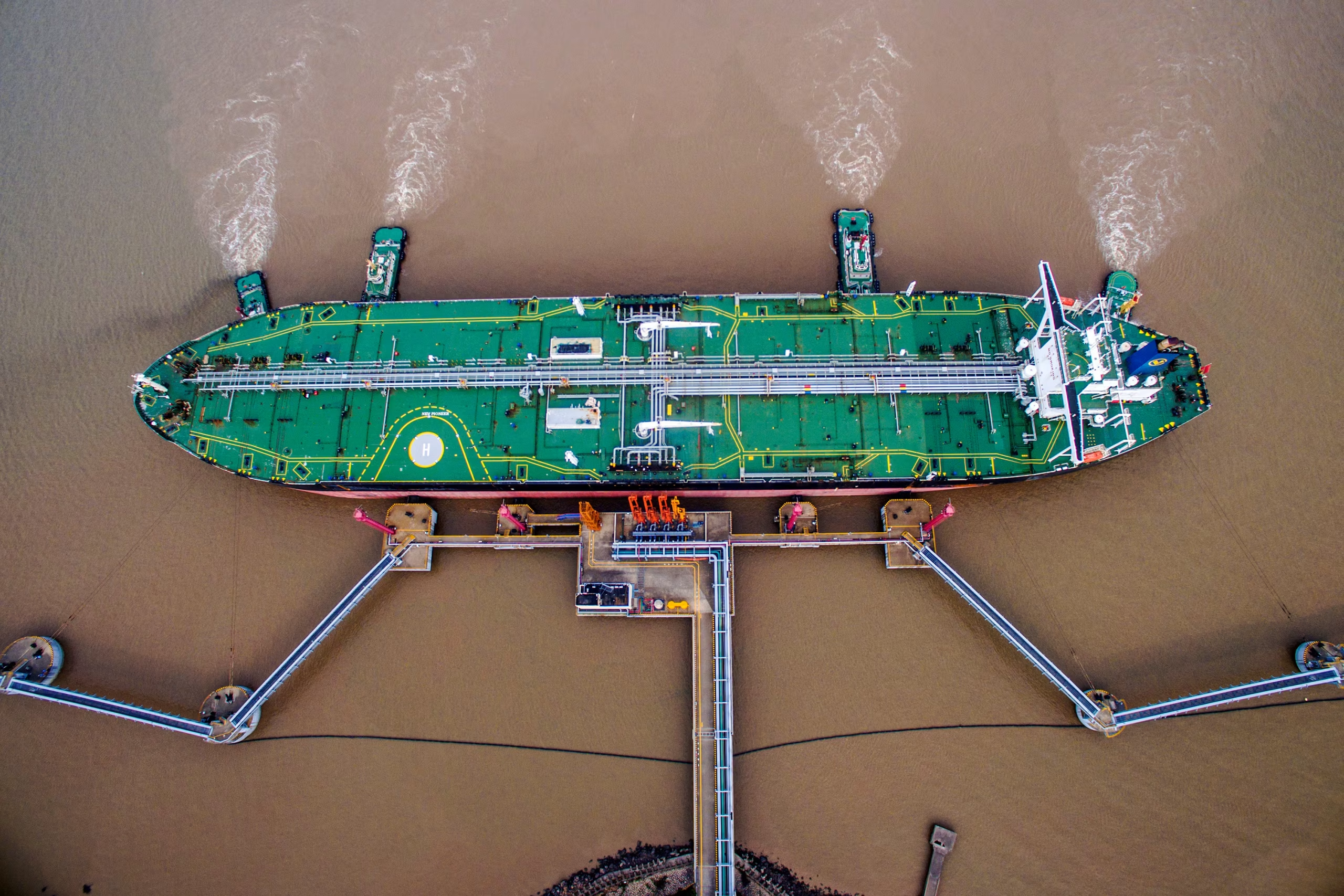
State-owned companies Sinopec and CNOOC are building the new facilities. About 37 million barrels of capacity are already under construction.
Once complete, the reserves could cover roughly two weeks of net crude imports, giving China a critical buffer. This is essential for the world’s largest oil importer, helping maintain stability even during disruptions.
Timing and Market Advantages
Global oil prices are currently below $70 per barrel, making stockpiling more cost-effective. By buying now, China can secure reserves at lower prices.
Stockpiling surplus crude may also support global oil prices, offering stability to international markets.
Management and Long-Term Goals
China operates a unified national reserves system. Both strategic and commercial reserves are managed jointly by the National Food and Strategic Reserves Administration.
The long-term target is to store enough oil to cover six months of imports, roughly 2 billion barrels.
As of September 2025, national and commercial stocks totaled about 799 million barrels. The new expansion will increase this buffer significantly, helping China handle unexpected supply shocks.
Economic and Strategic Importance
This expansion shows China treats energy security as an economic priority, not just a strategic one. More storage gives Beijing flexibility to respond to global disruptions and manage import costs.
By reducing reliance on spot-market imports, China can safeguard industries that need stable crude supplies. This also protects long-term economic growth.
Global Implications
China’s move may affect global markets. Increased domestic demand for storage and construction benefits engineering and industrial sectors.
Larger reserves also allow China to adjust purchases strategically, rather than responding to market pressures. Analysts believe other nations may follow, expanding their strategic reserves in response.
Future Outlook
By 2026, completing all 11 sites will mark a major milestone in China’s energy strategy. The government will likely continue investing in advanced storage technology and modern monitoring systems.
China’s approach demonstrates a long-term commitment to energy resilience. It combines strategic planning, industrial capacity, and market awareness. These efforts ensure domestic stability while strengthening China’s position in the global energy landscape.