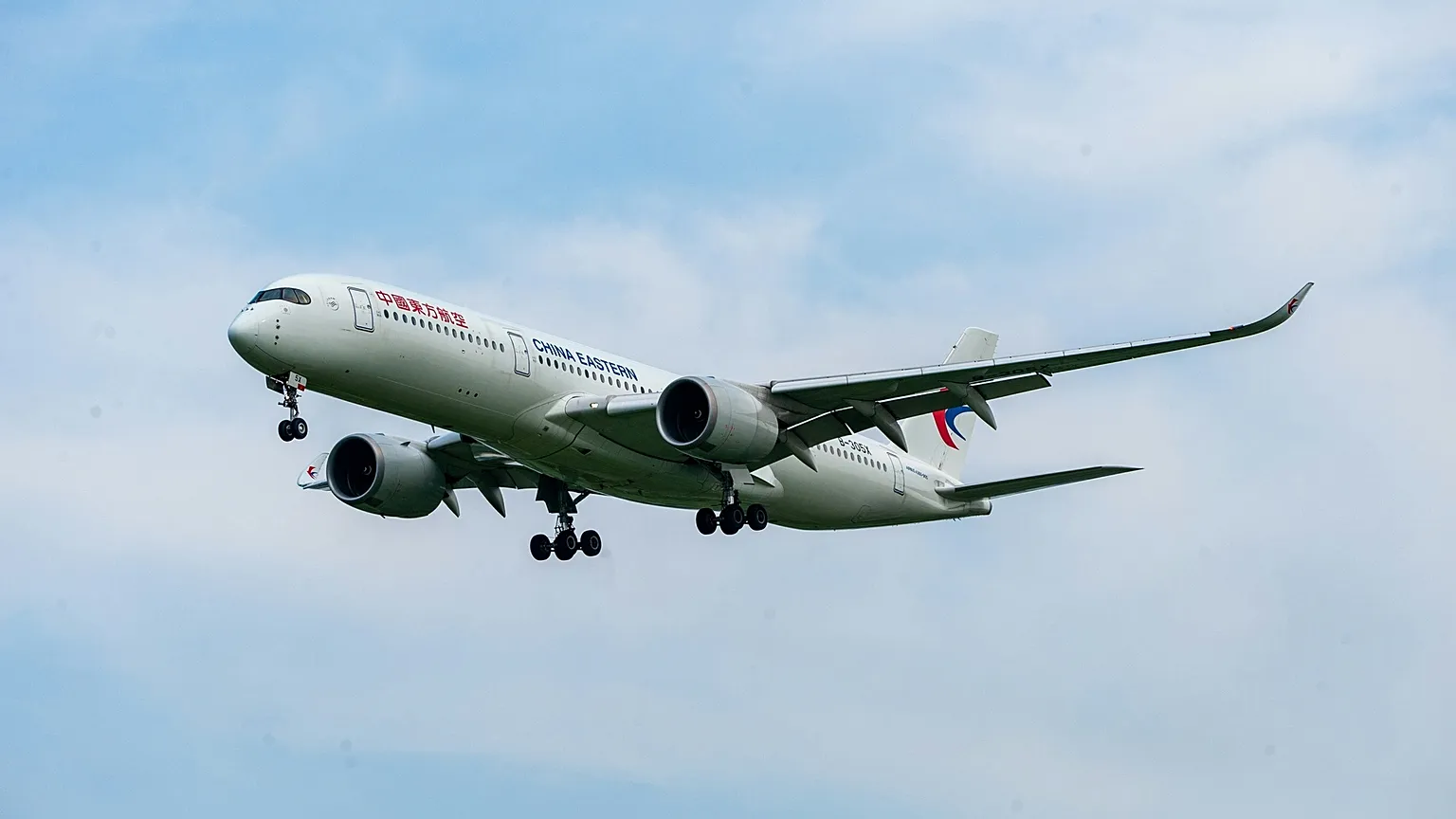
In an exciting development for the aviation world, China Eastern Airlines has officially launched the world’s longest commercial flight route. The new 29-hour journey, connecting Shanghai in China to Buenos Aires in Argentina, is not only a milestone for the airline but also a groundbreaking moment in the realm of ultra-long-haul travel. This record-breaking flight, covering a vast distance of approximately 12,400 miles, reshapes how we think about air travel between continents, particularly linking Asia to South America.
A Journey Across Three Continents
The new service, flight MU745, departs from Shanghai every Monday and Thursday, and returns on Tuesdays and Fridays. The aircraft travels across three continents, making it a historic route that offers a much-needed direct connection between China and South America. With a total travel time of 29 hours, this flight breaks the previous record for the longest commercial flight held by Singapore Airlines, which operated a non-stop route from New York to Singapore. However, this new China Eastern Airlines route, despite featuring a brief stopover, now holds the title for the longest commercial flight in terms of total journey time.
The flight duration includes a layover in Auckland, New Zealand, where the aircraft is refueled, and the flight crew rotates. This layover, while essential for operational reasons, means that the route does not qualify as the longest non-stop flight. Nevertheless, the overall time spent traveling door-to-door surpasses previous long-haul records, making it an impressive achievement for the aviation industry.
The Flight Experience: Boeing 777-300ER on the Shanghai–Buenos Aires Route
China Eastern Airlines operates this remarkable journey using the Boeing 777-300ER, a large, wide-body aircraft that can accommodate 316 passengers. This aircraft is well-suited for long-haul routes, offering passengers the comfort and amenities needed for a nearly 30-hour journey. The flight is expected to run year-round, operating twice a week, and the airline hopes it will cater to both business and leisure travelers, particularly targeting the sizable East Asian diaspora in Argentina.
Passengers on this flight can expect a diverse range of in-flight entertainment, comfortable seating, and the usual high standards of service associated with international long-haul flights. The inclusion of a stop in Auckland adds a unique aspect to the travel experience, offering a brief respite before continuing on the next leg of the journey. While the lengthy travel time may seem daunting to some, it provides a rare opportunity to experience a true ultra-long-haul flight across multiple continents.
The Growing Demand for Direct Connections Between Asia and South America
This new route fills a significant gap in global aviation by providing the first direct flight between Shanghai and Buenos Aires. Before this, travelers wishing to journey between the two cities had to rely on connecting flights, which often involved long layovers and multiple stopovers. The introduction of this service by China Eastern Airlines is designed to meet the growing demand for more direct flights between Asia and South America, two regions that have traditionally had limited air travel connections.
The airline has also pointed out that this service is especially beneficial for Argentina’s growing East Asian community, which has seen increasing numbers of migrants in recent years. By providing a direct, faster route, China Eastern Airlines hopes to strengthen the cultural and economic ties between the two regions, making it easier for people to travel for business, leisure, or family reasons.
A Competitive Edge in the Ultra-Long-Haul Travel Race
China Eastern Airlines’ 29-hour flight has raised the stakes in the ultra-long-haul travel competition. As airlines look to expand their networks and cater to the growing demand for direct intercontinental flights, this new route underscores the ambition to stretch the limits of what’s possible in commercial aviation. The Shanghai–Buenos Aires flight marks the beginning of a new era in global air travel, where long-haul flights are becoming increasingly more accessible and efficient.
The airline’s expansion into ultra-long-haul routes comes at a time when other carriers, like Emirates, Qantas, and Singapore Airlines, are also competing in this space. For instance, Qantas has announced plans for its “Project Sunrise” flights, which will involve non-stop services between Sydney and cities like New York and London, with flights expected to last up to 22 hours. These developments illustrate the growing trend of connecting distant parts of the globe with fewer stopovers and faster travel times.
New Frontiers in Aviation: The Future of Long-Haul Travel
As aviation technology continues to improve, future flights may become even more efficient, with new planes and technologies allowing for longer non-stop travel times. The launch of China Eastern Airlines’ 29-hour flight shows that the limits of long-haul travel are being pushed further than ever before. In the coming years, we may see even more airlines experimenting with ultra-long-haul routes, leading to reduced travel times and improved connectivity between far-flung destinations.
Moreover, advancements in aircraft design and fuel efficiency will likely make these ultra-long-haul flights more economical and environmentally friendly. The industry’s focus on sustainability will continue to play a crucial role in shaping the future of air travel, and China Eastern Airlines’ latest route is a step forward in that direction.
A Milestone for Global Travel
China Eastern Airlines’ new 29-hour journey from Shanghai to Buenos Aires is a landmark achievement in commercial aviation. By connecting two major economic hubs on opposite sides of the world, the flight opens up new possibilities for business and leisure travel, while also serving as a testament to the evolving nature of long-haul air travel. With its bold step into ultra-long-haul routes, China Eastern is reshaping the future of global aviation, and this new service may set the stage for even more ambitious connections in the years to come.